
By Tafadzwa Phiri
The Environmental Management Agency (EMA) is strengthening collaboration with rural communities in Gokwe, blending traditional knowledge with modern environmental laws to safeguard wetlands increasingly threatened by climate change and human activity.
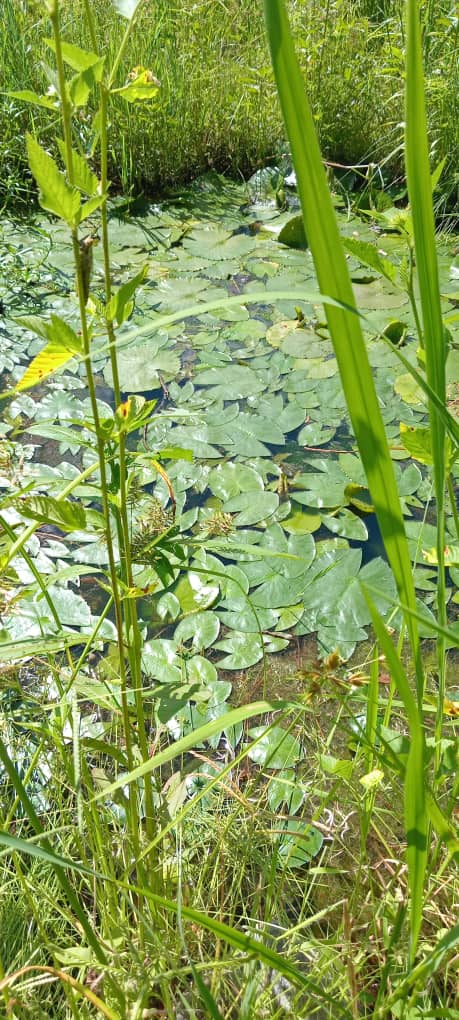
Zimbabwe joined the rest of the world in commemorating World Wetlands Day annually hosted on 2 February, with EMA Mudlands last week joining the community in Dewe in Ward 24, Nembudziya, where one of the country’s most significant wetlands lies.
This year’s theme, “Wetlands and Traditional Knowledge: Celebrating Cultural Heritage,” places indigenous systems at the centre of conservation efforts — a timely approach as Zimbabwe grapples with erratic rainfall, prolonged droughts and environmental degradation linked to climate change.
At Dewe, the wetland — locally known as Matoro — has long been preserved through strict cultural norms passed down generations. Community elder Richard Pedzisai said traditional taboos once governed every aspect of interaction with the wetland.
“People were only allowed to fetch water between 6am and 5pm. Coloured clothes were not allowed near the wetland. Women on their monthly periods were not permitted to fetch water but would send someone else,” he said.
He explained that the water was primarily reserved for livestock, and if people needed to use it for other purposes, they would first seek spiritual permission through community rituals.
Such practices, though viewed by some as superstition, effectively restricted overuse and protected the fragile ecosystem from contamination and degradation.
Ward 24 Councillor Edmore Mutemeri said fear of spiritual consequences reinforced environmental discipline.
“People who failed to respect the traditional norms around Dewe wetland would fall sick, disappear or start hearing strange sounds from the nearby mountain,” he said.
Patrick Hwande, a long-serving teacher at Dewe Primary School, said activities such as fishing and stream bank cultivation were strictly forbidden.
“Wetlands should be managed by the people around them. Wake up and smell the coffee — the heritage is yours,” he said.
However, the community now faces new threats. Pedzisai warned that chemical sprays used in gardens close to the wetland are contaminating the water, undermining decades of careful stewardship.
EMA Midlands Spokesperson, Oswald Ndhlovu said Dewe is a strong example of how traditional leadership, environmental monitors and sub-committees are working together to protect natural resources at grassroots level.
“Our traditional systems are critical in the protection of our environment. This is a typical example of how cultural norms contribute to the conservation of valuable ecosystems,” he said.
He added that EMA does not work in isolation but partners with stakeholders, including traditional leaders and local structures, to enforce environmental legislation where necessary.
Environmentalists say wetlands are vital buffers against climate change, helping regulate water flow, recharge groundwater and reduce the severity of floods and droughts. When degraded, communities become more vulnerable to water shortages and crop failure, realities Zimbabwe has experienced in recent years.

