
By Staff Reporter
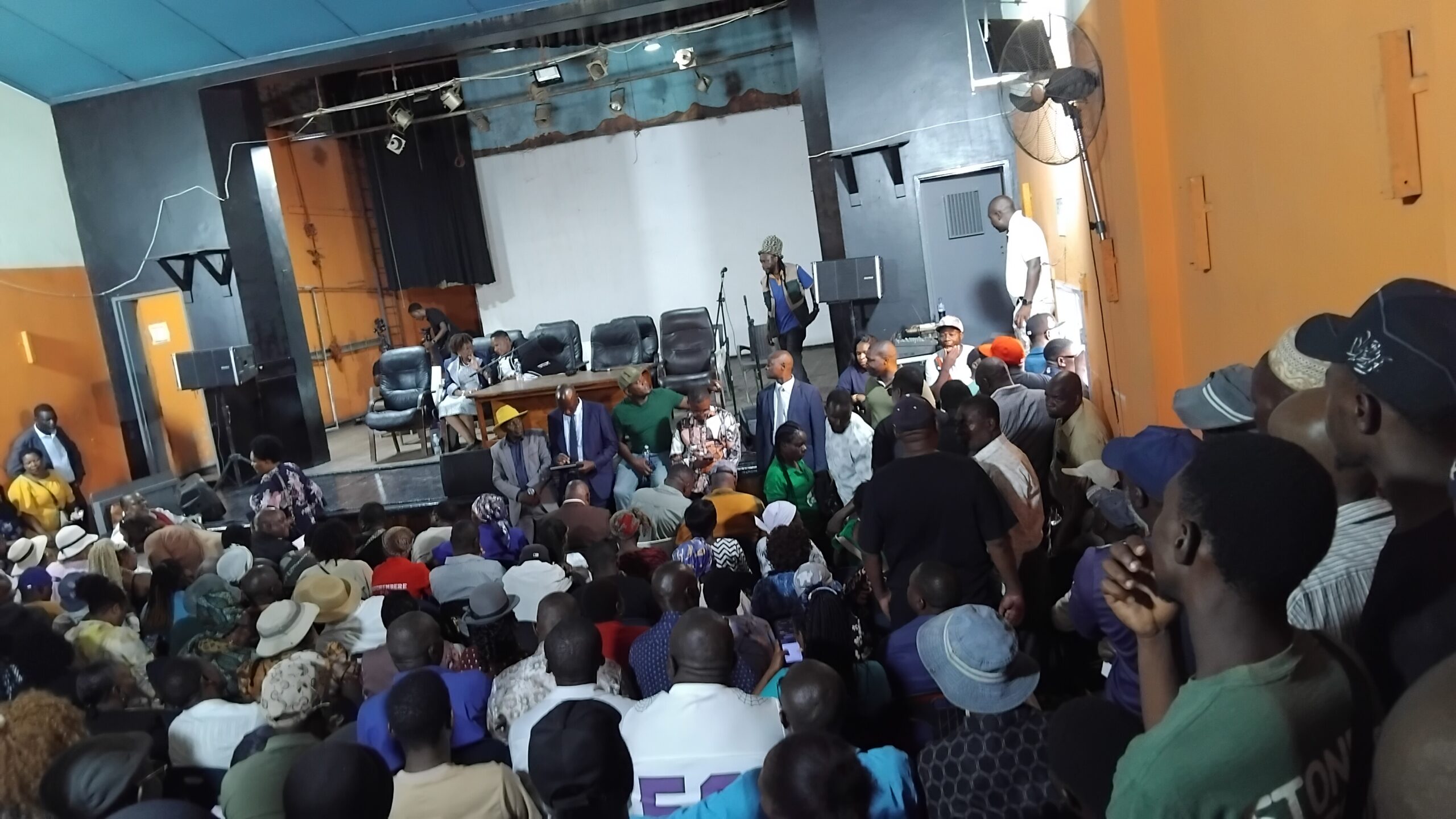
Strong backing for provisions allowing traditional leaders to actively participate in politics dominated submissions at a public hearing on the Constitution of Zimbabwe Amendment Bill No. 3, held at Kwekwe Theatre yesterday.
Citizens who spoke during the consultative meeting largely endorsed Clause 21 of the Bill, which seeks to repeal Section 281(2) of the Constitution, a provision that currently bars traditional leaders from being members of political parties or engaging in partisan politics.
The clause has emerged as one of the most contentious aspects of the proposed amendments, but in Kwekwe, contributors argued that the restriction unfairly curtails the political rights of traditional leaders.
Abigirl Moyo told the hearing that traditional leaders, like all citizens, should not be excluded from political processes.
“I support the idea that traditional leaders participate in the politics of the country as they have the same rights as everyone,” she said.
Tichafa Chitate of Sherwood echoed similar sentiments, arguing that the current constitutional provisions are discriminatory.
“I am in support of traditional leaders taking part in political discourse as they have the same rights as other people. It is not fair to limit them from participating in the politics of the day, yet those political decisions affect their everyday lives,” said Chitate.
Charles Sibanda of Mbizo said chiefs and other traditional leaders should be afforded equal opportunities in governance matters.
“I support this Bill regarding chiefs. They have every right to participate in politics as equal citizens, and politics affects them as well. They should be given equal opportunities,” he said.
Clause 21 proposes that the conduct of traditional leaders be governed by an Act of Parliament, effectively removing constitutional restrictions on their political involvement.
Currently, Section 281(2) of the Constitution explicitly requires traditional leaders to remain neutral by prohibiting them from joining political parties, participating in partisan politics, or advancing the interests of any political organisation.
The provision was designed to preserve the impartiality of traditional leaders and ensure they focus on their cultural and community leadership roles without political interference.
However, contributors at the Kwekwe hearing argued that the law, in its current form, undermines the fundamental political rights of traditional leaders and fails to recognise their dual role as both community custodians and citizens.
The outreach programme is part of nationwide consultations on the proposed constitutional amendment, which have sparked debate across the country over their potential impact on governance, democratic principles, and the balance of power.

